 Начало Новини и проучвания Публикации Кампании Галерия Контакти ☰
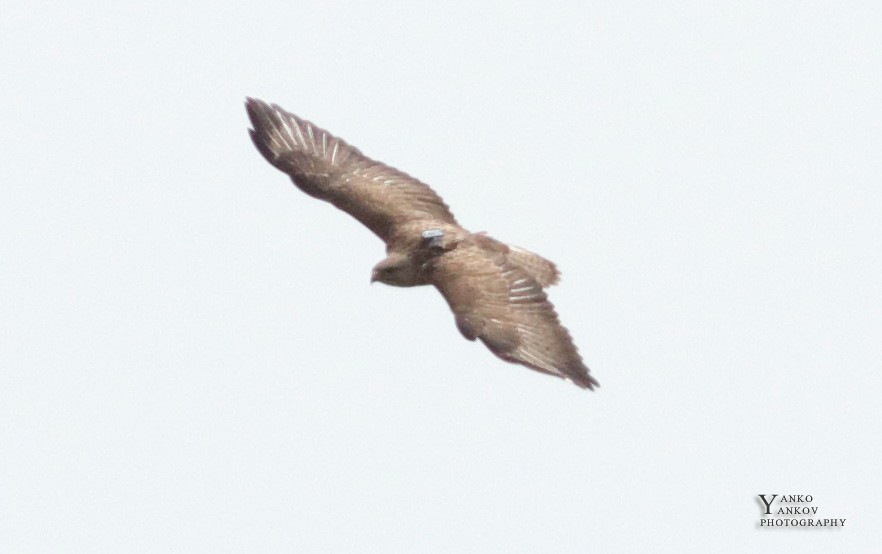
Our long term monitoring of model species birds in an area with operational wind turbines allow some important conclusions about migratory strategies of common buzzards.
After three years of GPS tracking program we have reliable data for analisis of wintering and breeding grounds location of the species.
Now we can see how adaptive radiation in nature can respond to environmental changes.
We have observed all possible variations in migratory strategies of common buzzards wintering in the region of Kaliakra, NE Bulgaria where 114 wind turbines coexists with birds for over 20 years.
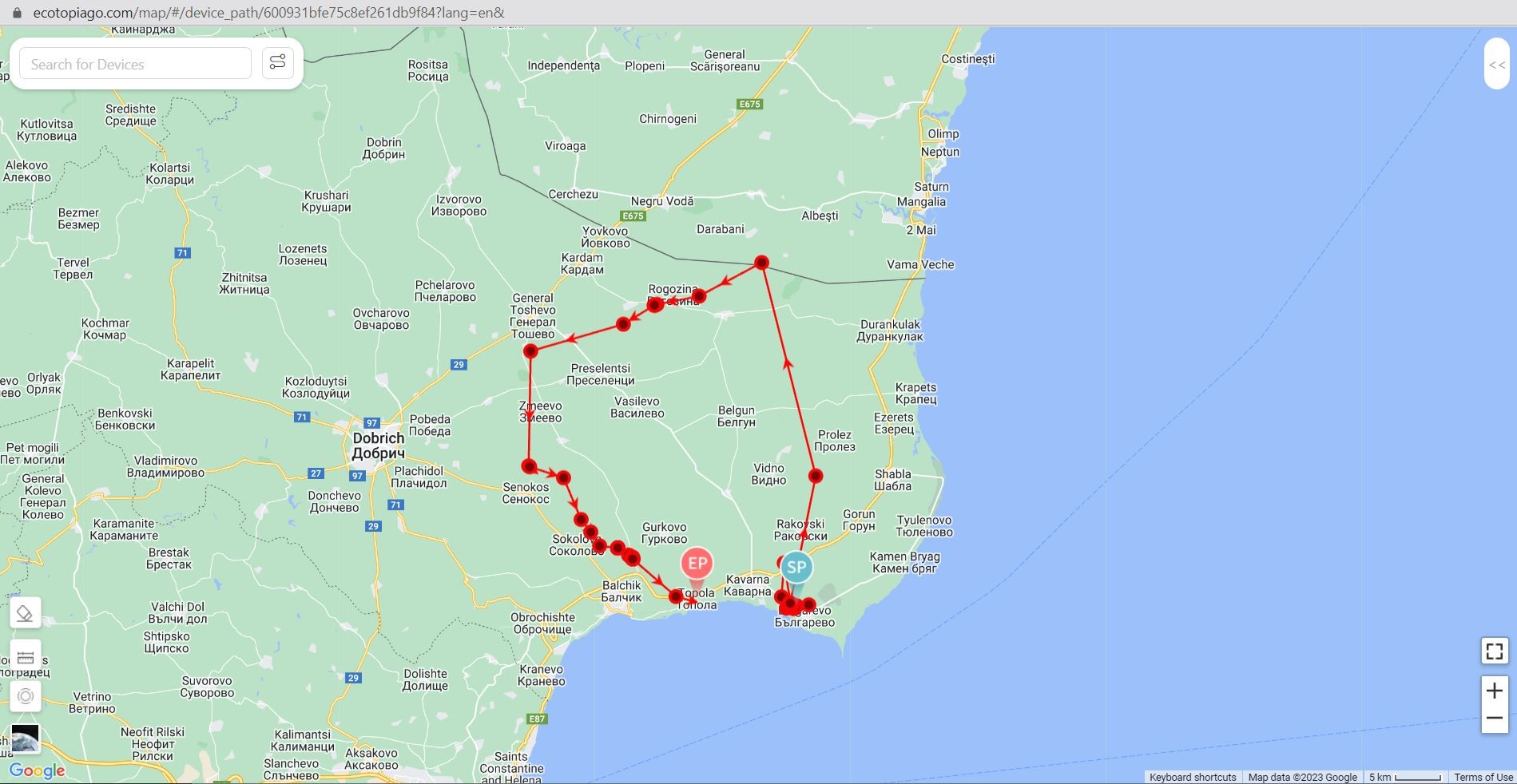
The results show variable migratory syndromes. Some of the tagged by GPS?GSM common buzzards does not change wintering location and stay for breeding in the same territory.
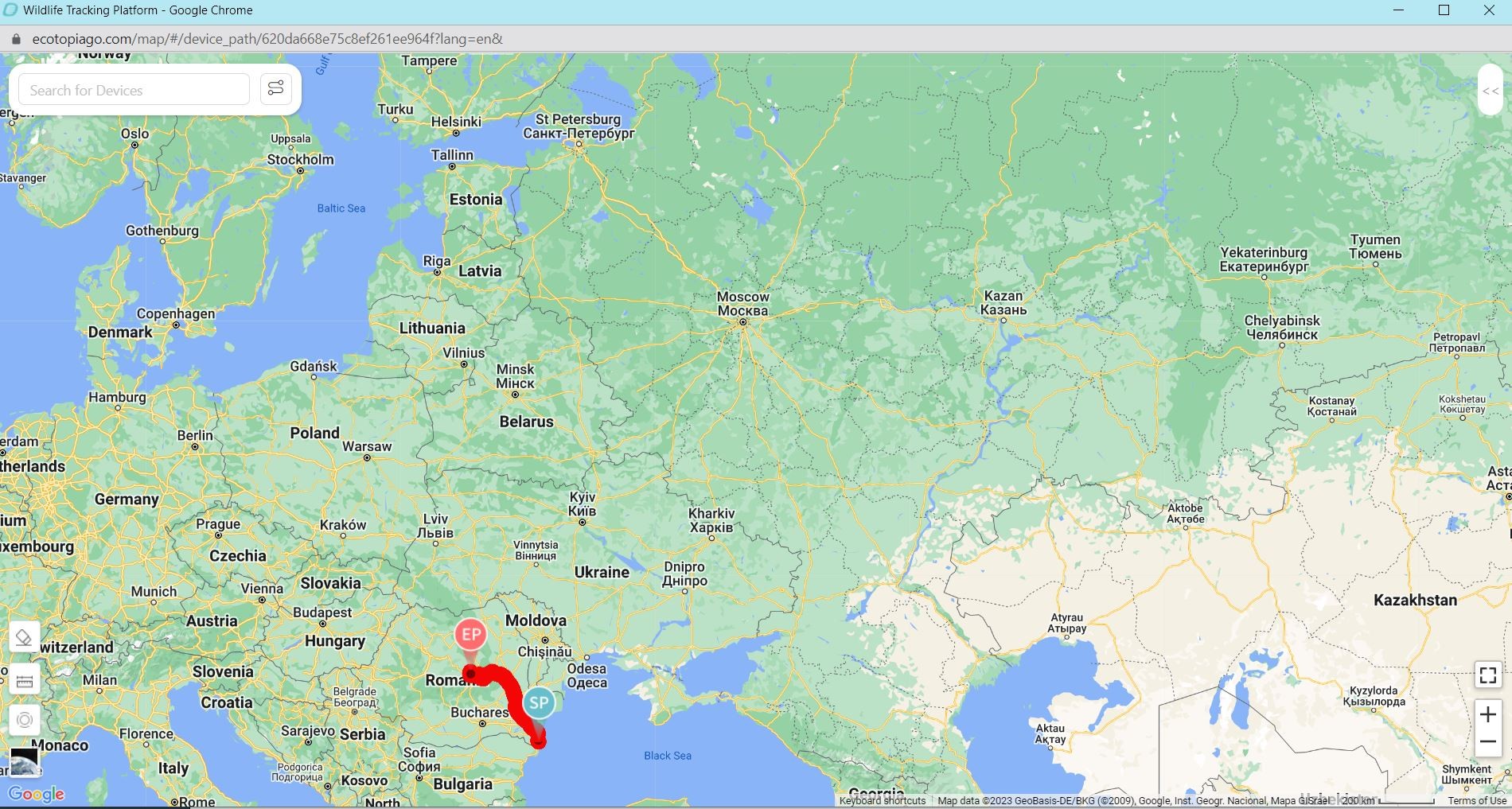
The same proportion of common buzzards prefer short distance movements to breed in areas located in few hundreds kilometers for example.
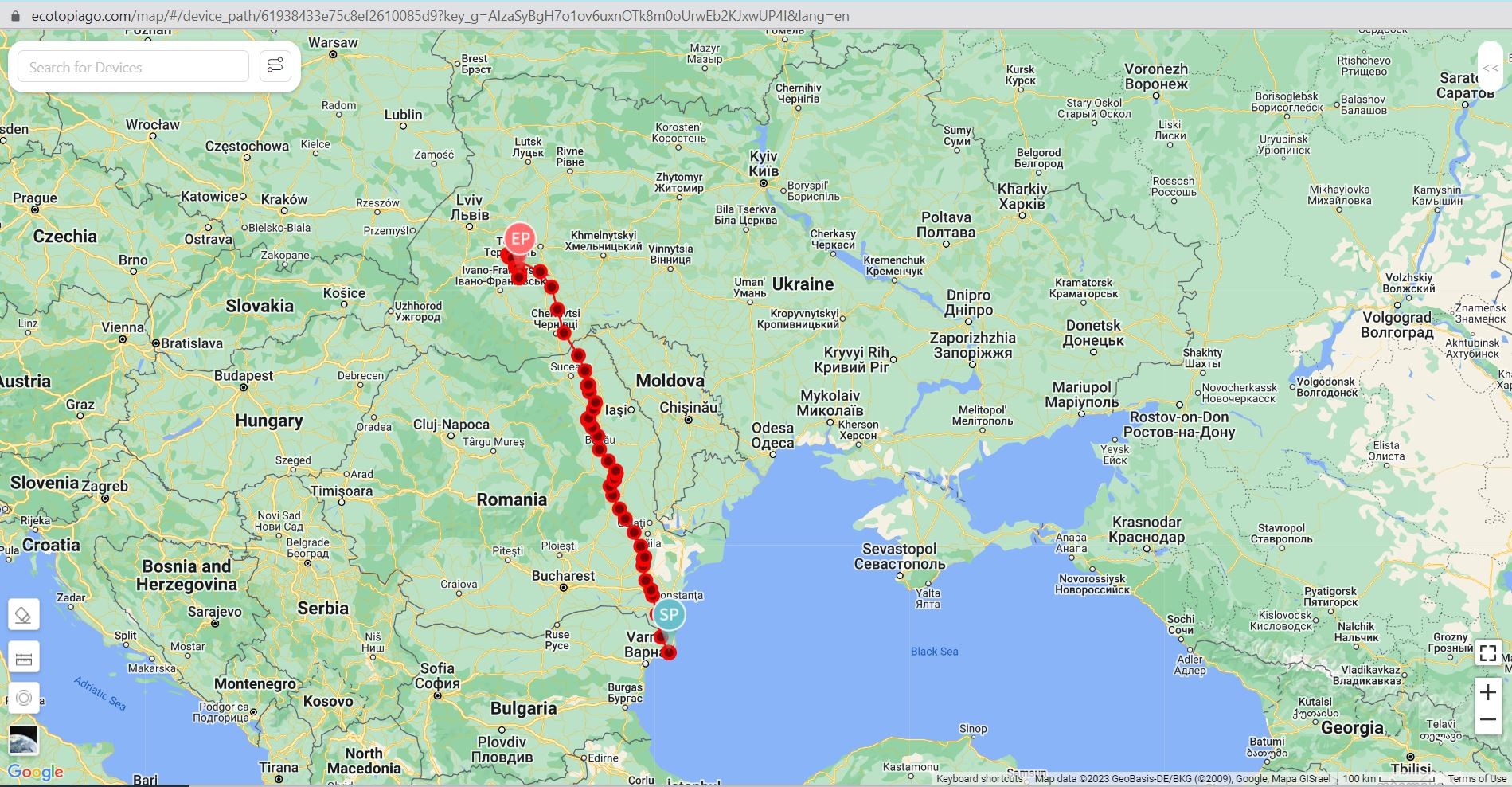
Some of the common buzzards prefer longer trips and decided to breed in relatively far locations with migratory flights of several hundreds kilometers.
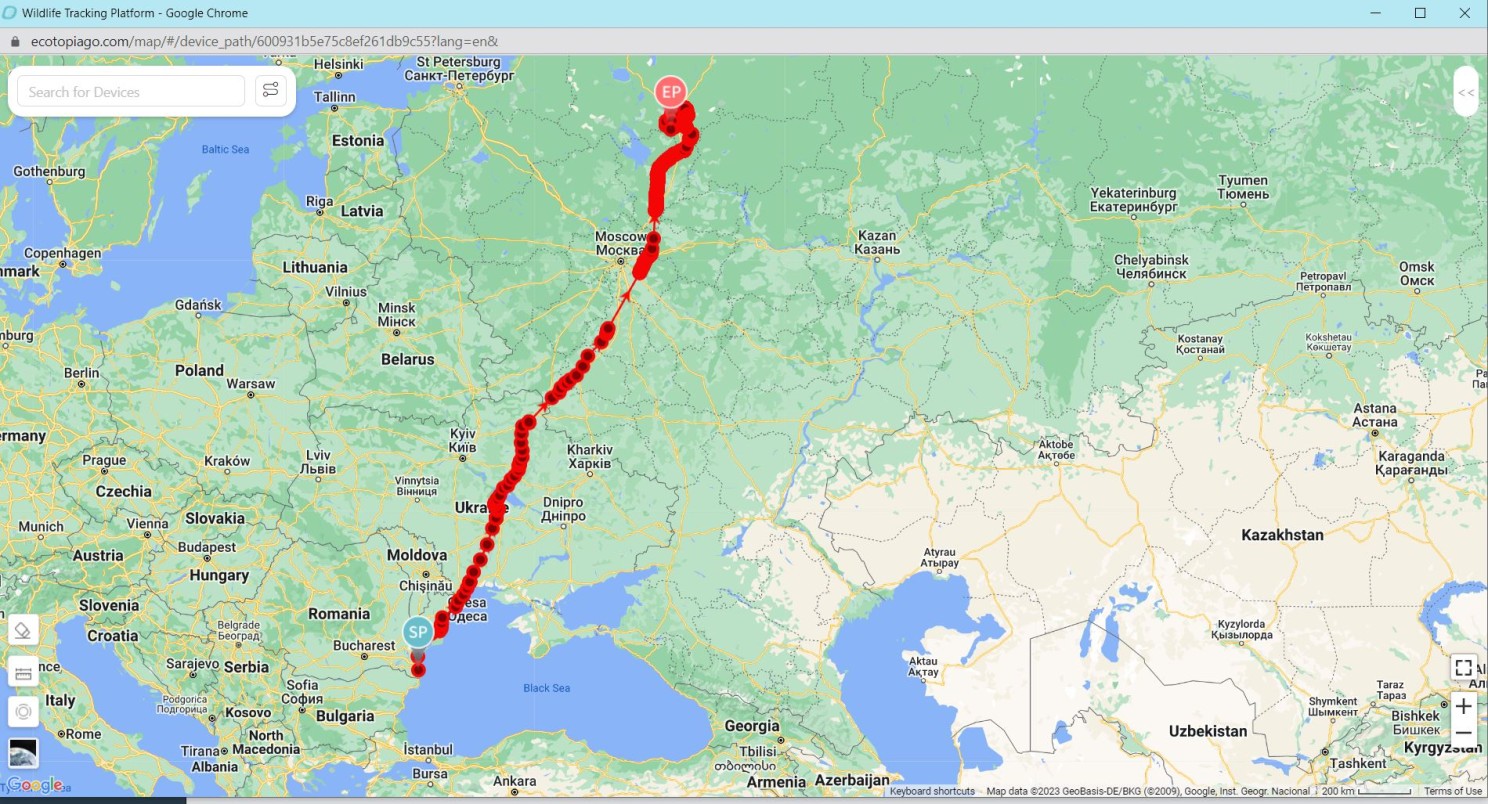
But the most surprising for the scientists are long distance flights of our common buzzards. We have tracked two years the same individual breeding in northern Taiga areas of Russia. This female common buzzard passed twice the front line of the war in Ukraine on its fly way to breeding grounds. The same bird regularly winters in NE Bulgaria were we observe behavior of birds in respect to operational wind turbines.
For the moment non of the 8 tagged by GPS/GSM common buzzards in last three years has any changes in behavior related to wind turbines.
None of the tagged birds died in collision with wind turbines, 3 were poisoned by rodent pesticides, one shot by poachers.
Published by:
Prof. Dr. Pavel Zehtindjiev